Search intent shapes how people find your website. Get it right, and you attract visitors who actually want what you offer. Get it wrong, and you can spend a lot of time creating content that looks busy but does very little.
That is usually where SEO starts to feel frustrating.
The trick is not just finding keywords. It is understanding what people expect to see when they search for them. Once you know that, your content has a much better chance of being useful, visible, and worth the effort.
What's inside? (TL;DR)
This article explains what search intent is, why it matters, and how it helps you create content that matches what people actually want.
It also shows how to check the search results before deciding what kind of page or article to create.
Useful Sections
What Is Search Intent?
When someone types a query into Google, they have a specific goal. They might want to:
learn something new
buy a product
find a specific website
compare options before buying
Understanding these goals helps you create content that matches what searchers actually want to find.
Types Of Search Intent
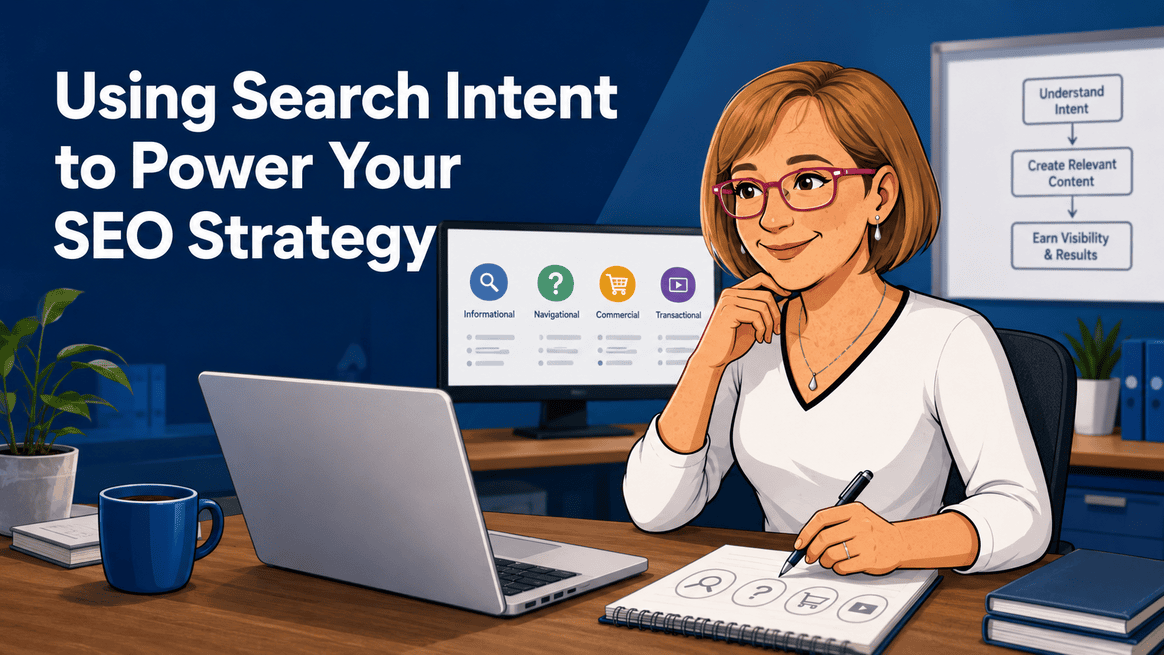
Search intent usually falls into a few main types:
Informational: “How to fix a leaky tap”
Commercial: “Best coffee shops in Bedford”
Transactional: “Buy noise-cancelling headphones”
Navigational: “Facebook login”
Each one needs a different type of content. Someone looking for a how-to guide is not ready for a hard sales page. Someone searching for a specific product probably does not want a 2,000-word essay before they can buy it. Shocking, I know.
Making Search Intent Work For Your Business
Start by looking at the search results for your target keywords. Google often shows you what type of content works best for each query.
For example, if you search “best running shoes for marathons”, you will usually see:
comparison articles
expert reviews
product roundups
buying guides
That tells you people searching this phrase want detailed information before buying. A simple product page is unlikely to do the job well because it does not match what the searcher expects.
This is why copying keywords into a page is not enough. The page has to match the job the searcher wants it to do.
Tools That Help You Understand Intent
The KickstartSEO Portal helps analyse keywords and content opportunities by looking at things such as:
what type of content ranks best
which format works well
how long the content may need to be
This helps remove some of the guesswork from content planning. Instead of writing what you think Google wants, you can create content based on what the search results are already showing.
Creating Content That Matches Intent
Once you understand the intent, shape your content to match it.
Informational Intent
Useful formats include:
step-by-step instructions
expert explanations
problem-solving content
Commercial Intent
Useful formats include:
product comparisons
independent reviews
feature breakdowns
expert recommendations
Transactional Intent
Useful formats include:
clear pricing
buy now buttons
product specifications
shipping information
The better your content matches the intent, the easier it is for both search engines and people to understand why your page deserves attention.
Measuring Success
Track these metrics to see whether your content is matching search intent:
time on page
bounce rate
return visits
If these numbers are poor, the issue may not be the keyword. It may be that the page does not give searchers what they expected when they clicked.
That is fixable. But first, you have to stop treating every keyword like it needs the same type of page.
Can We Help?
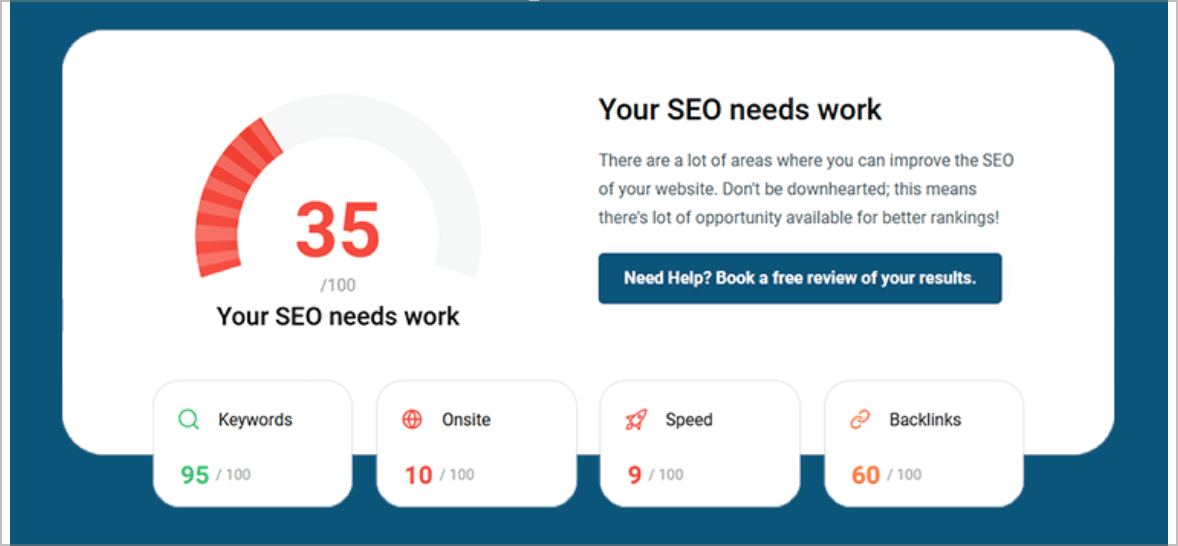
Many people end up on our blog because their SEO is not working the way they hoped, and they are trying to work out what to do next. Sound familiar?
If your website is getting visits but not enough enquiries, search intent may be part of the problem.
We can help you check whether your pages match what people are actually looking for, then work out what needs tightening, rewriting, or leaving well alone.