

Every successful website starts with understanding what people actually search for.
That sounds obvious, but this is where many small businesses go wrong. They chase broad phrases, copy competitor wording, or guess what customers type into Google.
Sometimes they get lucky. Usually, they get noise.
Keyword research does not need to be mystical. It just needs to connect your services with the words your customers already use when they are looking for help.
What's inside? (TL;DR)
This article explains how to choose search terms that match what your customers actually want, instead of chasing broad keywords that are usually too competitive or too vague. It also covers why longer, more specific search phrases often bring better enquiries, and how keyword tracking can reveal useful opportunities.
Useful Sections
What Makes A Good Keyword?
Think about “emergency plumber near me.” Many people search for it, but every plumber in town wants to rank for it.
Meanwhile, “emergency boiler repair Milton Keynes” might get fewer searches, but those searching are more likely to need your exact service.
That is the balance you are looking for: enough people searching to make it worthwhile, but not so competitive that you will never be found. Most importantly, the phrase needs to match what you offer.
Why Longer Search Phrases Work Better
When you search online, do you type “shoes” or “women’s waterproof walking boots size 7”? The longer, more specific phrase is more likely to match what you really want.
These detailed searches often work better because:
Fewer websites compete for them
The people searching know exactly what they want
They are more likely to turn into sales or enquiries
Finding Words People Use
Start simple. Think about your customers:
What problems do they mention most?
Which services do they ask about?
Then check whether you are on the right track by looking at:
What Google suggests when you type
Questions that appear in search results
Terms your competitors rank for
Using Keywords Naturally
Once you know which terms to target, keep it simple:
Write clear page titles
Create helpful content that answers questions
Add your location for local searches
Keep your information up to date
Just avoid common mistakes like:
Stuffing words unnaturally into text
Chasing impossible rankings
Missing local opportunities
Using industry jargon
Watching What Works
The real test comes after you have chosen your keywords. Check your website statistics monthly to see:
How long those visitors stay on your pages
Whether they contact you or make purchases
For example, a garden centre might find “winter hanging baskets” brings in more sales than the broader term “hanging baskets” during autumn.
Making Keyword Research Easier
Here is a real success story from Bedford. An accountant used the KickstartSEO Portal to improve their rankings for “Bedford Accountants”, moving from page 5 of Google, where almost no one looks, to page 1, where potential clients could find them.
The Portal revealed valuable insights:
“Bedford accountants” had 590 monthly searches with low competition, making it a strong target phrase
They discovered specific competitor phrases like “cowley holmes accountants bedford” with 170 searches
The tool showed smaller opportunities too, like “thompson accountants bedford” with 20 searches
Most importantly, they could see which phrases they already ranked for and which ones needed work
The Portal’s interface helped them track 53 chosen keywords. You can track up to 100, showing search volume and difficulty levels for each. They could even check specific competitors like bedfordaccountant.com and hwca.com to spot opportunities they might otherwise have missed.
See our KickstartSEO Portal page to see these keyword research tools in action. You will get a clear picture of how easy it is to find and track the correct search terms for your business.
Can We Help?
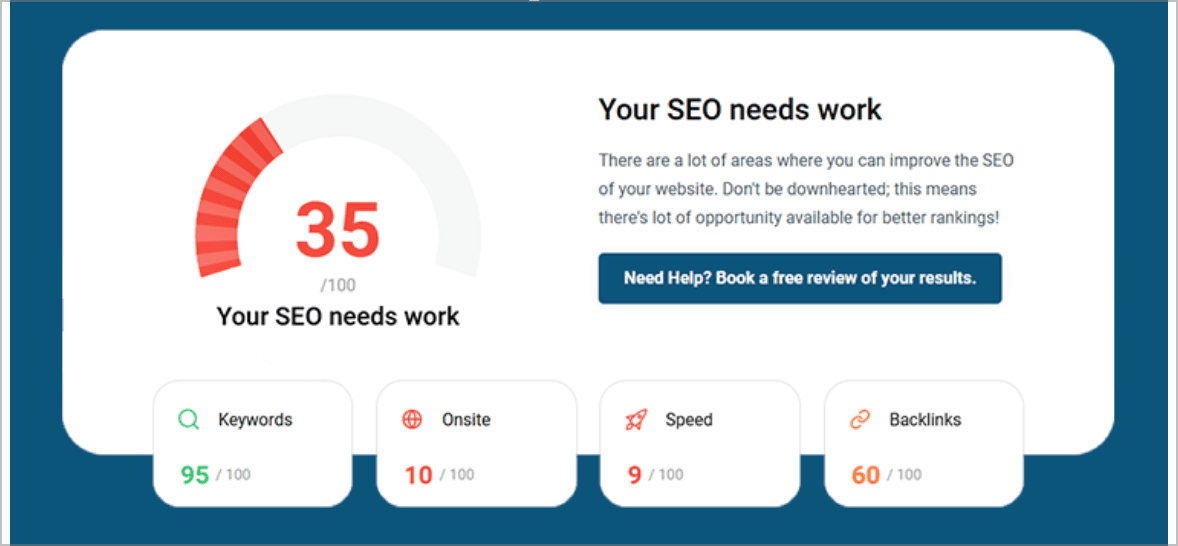
Many people end up on our blog because their SEO is not working the way they hoped, and they are trying to work out what to do next. Sound familiar?
Keyword research is one of those jobs that sounds simple until you realise how easy it is to chase the wrong phrases.
If your website is getting little useful traffic, or ranking for terms that do not bring enquiries, we can help you find the search terms that actually match your customers and your services.