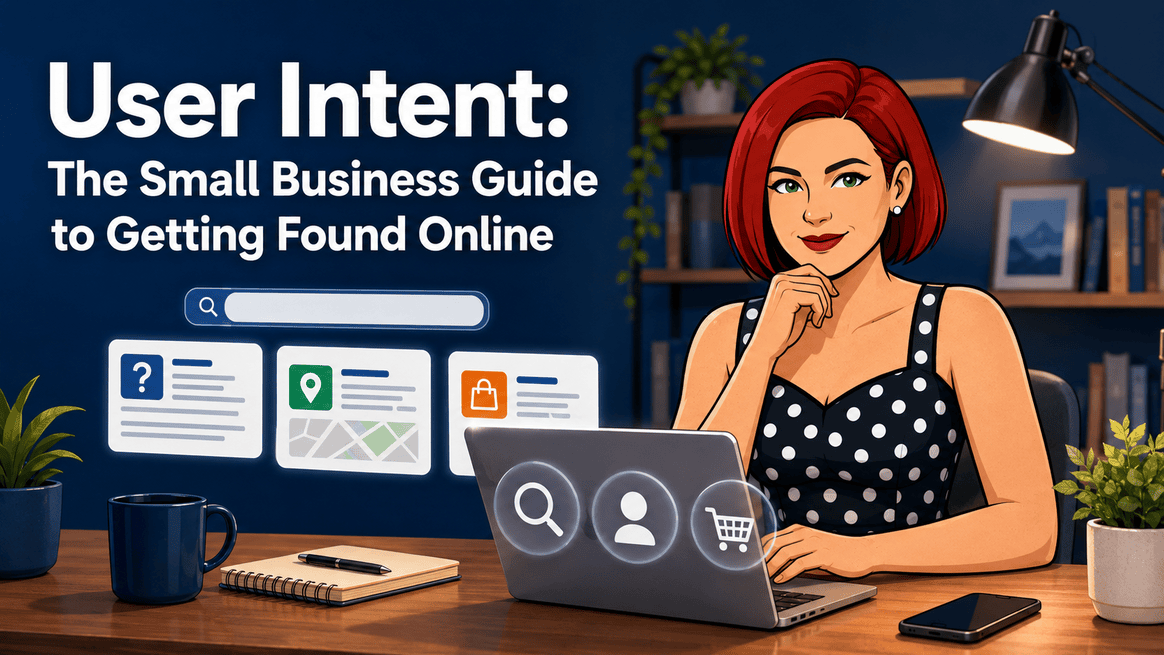
Think about the last time you used Google. Maybe you typed “plumber” because your tap was leaking. Or “hairdresser prices” because you needed a trim.
Each search tells a story about what the customer wants. That is what user intent means. It is the reason behind the search.
And if your website answers the wrong reason, you may still get visitors, but not the useful kind. Which is a bit like filling the shop with people who only came in to ask for directions.
What's inside? (TL;DR)
Useful Sections
What Your Customers Want
Whenever someone searches online, they are trying to solve a problem, answer a question, compare options, or find something specific.
Understanding those searches helps you create website content that brings in business, not just visitors.
Four Ways People Search
Your customers usually search in four main ways.
1. Quick Answers
Searches like “opening times” or “location” mean they want specific information quickly.
2. Learning More
Searches like “how to choose” or “what’s best for” mean they are researching before deciding.
3. Comparing Options
Searches like “prices” or “reviews” mean they are checking different businesses before making a choice.
4. Ready To Buy
Searches like “book now” or “buy today” mean they want to take action immediately.
Making Search Work Smarter
The old way of choosing website keywords involved a lot of guesswork. You picked words you thought customers might use, then hoped for the best.
That is like trying to catch fish without knowing where they swim.
Smart keyword choices come down to three simple questions:
Does this match what I sell? If you are a baker, “fresh bread” makes sense. “Cake recipes” might bring visitors, but they want to bake, not buy.
Do people search for this? You might call your service “domestic liquid delivery systems”, but customers search for “plumber near me”.
Can we compete for this search? Some searches are harder to rank for than others.
The KickstartSEO Portal shows you which ones give you the best chance of success. The Portal takes the guesswork out of these decisions. It shows you:
what your customers search for
which searches bring in buyers, not just browsers
where you have the best chance of ranking well
Think of it as having a sat-nav for SEO. It shows you the quickest route to better rankings without quite so many wrong turns.
Common Search Intent Mistakes
Many businesses damage their search performance without realising it. These are five of the most common mistakes.
1. Writing For Google, Not Customers
Stuffing pages with keywords might seem clever, but Google prefers natural writing that helps people.
2. Using Industry Jargon
You might call it a “residential water supply system assessment”. Your customers search for “check my water pressure”.
Guess which one brings in business?
3. Focusing On Company History
Your About Us page matters, but customers usually care more about how you can help them today.
Save the history lesson for after you have answered their questions.
4. Missing Local Opportunities
Adding your location to key pages helps you appear in local and “near me” searches.
Many businesses forget this simple step.
5. Letting Content Go Stale
Search trends change. Last year’s popular searches might not match what customers want today.
Simple Steps To Get Started
Look at your busiest times. What makes customers choose you then?
Ask new customers how they found you. What did they search for?
Check your website. Does it answer those common questions?
Review your content monthly. Are you still answering the right questions?
Watch your competitors. What searches are they missing?
Making Search Work For You
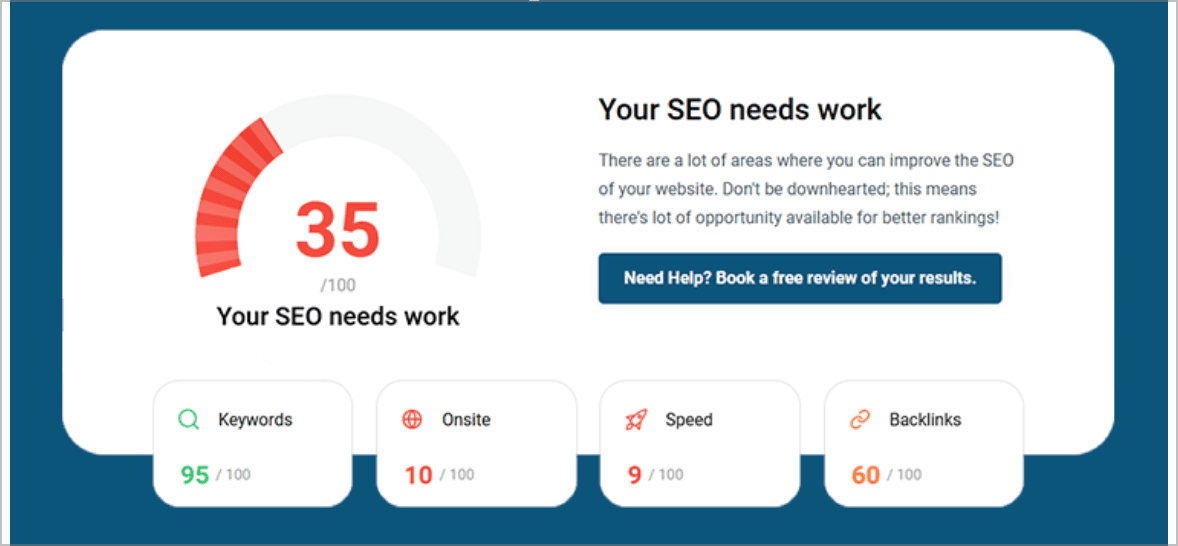
The KickstartSEO Portal shows what searches bring people to your website, and more importantly, which searches turn into useful enquiries.
By tracking these patterns, you can focus on content that brings in paying customers, not just website visitors.
Can We Help?
Many people end up on our blog because their SEO is not working the way they hoped, and they are trying to work out what to do next. Sound familiar?
Search intent is one of those things that sounds technical until you strip it back. It simply means understanding what your customers actually wanted when they found you.
If your pages are attracting the wrong people, or not attracting enough of the right ones, the first job is to work out whether your content is answering the searches that matter.