

Want your business to perform better in search results?
When Google properly understands your business information, it has a better chance of showing useful details to potential customers before they even click.
Opening hours, locations, phone numbers, services, reviews, and business details all help searchers make decisions. But there is a catch: your website needs to explain those details in a way search engines can clearly understand.
That is where structured data comes in. It is not glamorous, and nobody sensible brings it up at dinner parties, but it can make your website much easier for Google to read.
What's inside? (TL;DR)
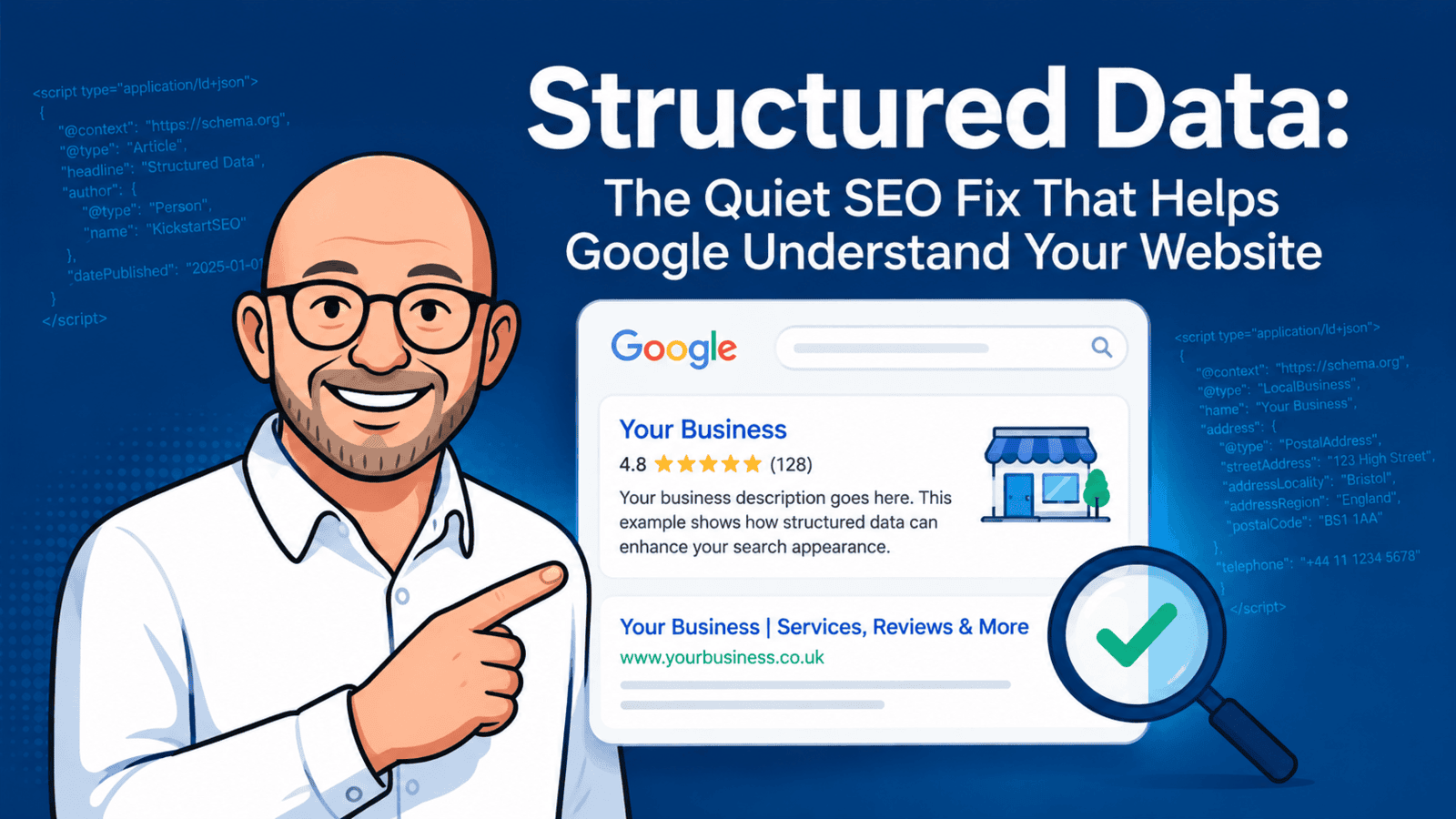
Structured data helps Google understand your business details more clearly, from opening hours and phone numbers to services and locations.
This article explains why that technical layer matters and why getting the code right can help your search results work harder.
Useful Sections
Search Results That Work Harder
When someone searches for local businesses, Google shows helpful information in the search results. Opening hours, phone numbers, and locations can help customers choose which company to contact.
Google only shows these extras when it is confident about the details. Your website needs code that tells Google, “This is our phone number” or “These are our opening hours.”
Without that code, Google may stay quiet about your business details.
What Google Needs To Know
Good search listings can share useful business information, such as:
where to find you
how to contact you
when you are open
which areas you cover
which services you offer
But simply adding this information to your website is not always enough. Google needs it formatted clearly, using structured data that confirms what each detail means.
Getting The Code Right
Adding the correct structured data to your website takes technical care. Small mistakes can stop Google from understanding your business details properly.
Web developers need to follow precise rules around:
how information gets tagged
which format to use
where the code should appear
when it needs updating
This technical work matters because errors can hide useful details from potential customers. Incorrect code might stop Google from showing your opening hours, or worse, help it display outdated information. Not ideal, unless confusing customers is the strategy. It usually isn’t.
Focus On Your Business, Not Code
You should not need to spend your day worrying about schema markup, code placement, or whether Google understands your opening hours.
The important thing is that your website gives search engines clear, accurate information about your business. That means making sure your details are properly marked up, kept up to date, and checked when things change.
That can include:
setting up structured data for your business information
helping Google understand your services
keeping key details updated
checking the markup works correctly
fixing technical issues when they appear
You focus on running your business. The technical SEO bits should support that, not become another job on your already ridiculous to-do list.
Getting Started Is Simple
The first step is to gather the key business information Google needs to understand your website properly.
That usually includes:
current business details
service areas
opening hours
contact preferences
core services
From there, your website setup can be reviewed and any necessary technical changes planned. If you already have a web developer, the structured data can be handled with them. If not, it can usually be managed directly as part of wider SEO work.
Help Customers Find You
Every day your website sends unclear or incomplete signals, potential customers may miss important details about your business.
Structured data will not magically fix every SEO problem. Nothing useful ever does. But it can help Google understand your website more clearly, and that can make your search results more useful for the people already looking for what you do.
Can We Help?
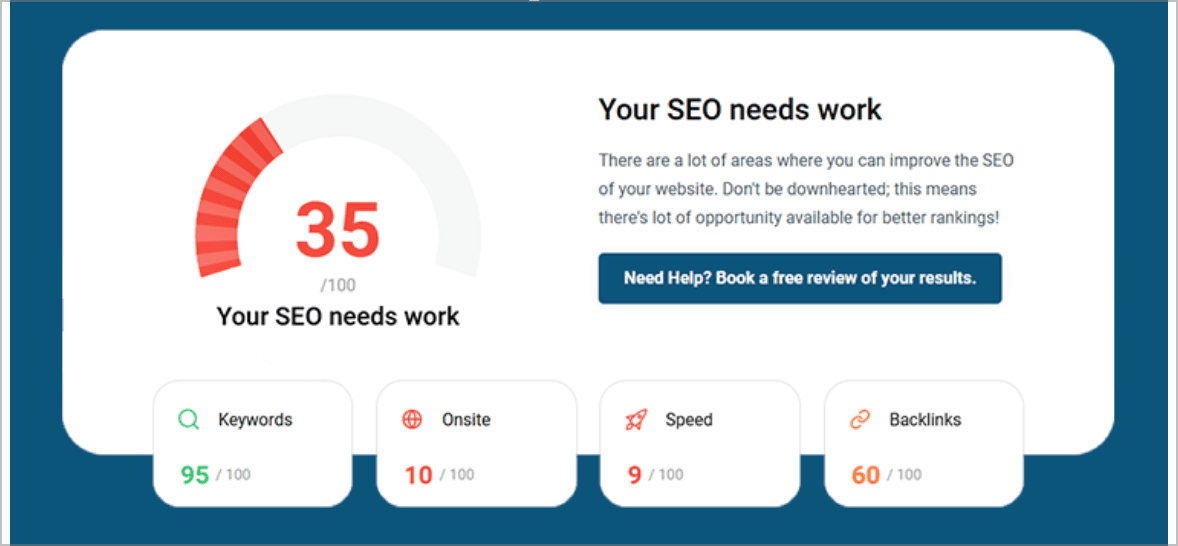
Many people end up on our blog because their SEO is not working the way they hoped, and they are trying to work out what to do next. Sound familiar?
If Google is struggling to understand the basics on your website, structured data is one of those quiet fixes that can make a real difference.
It will not turn a weak website into a winner overnight, but it can help search engines properly read your business details, which is a sensible place to start.