
Originally published in February 2024. Fully rewritten in July 2026.
Search has changed dramatically since this article was first published in February 2024. AI-powered answers now appear across more searches, businesses are asking new questions about visibility, and there is no shortage of people claiming to have discovered the latest SEO shortcut.
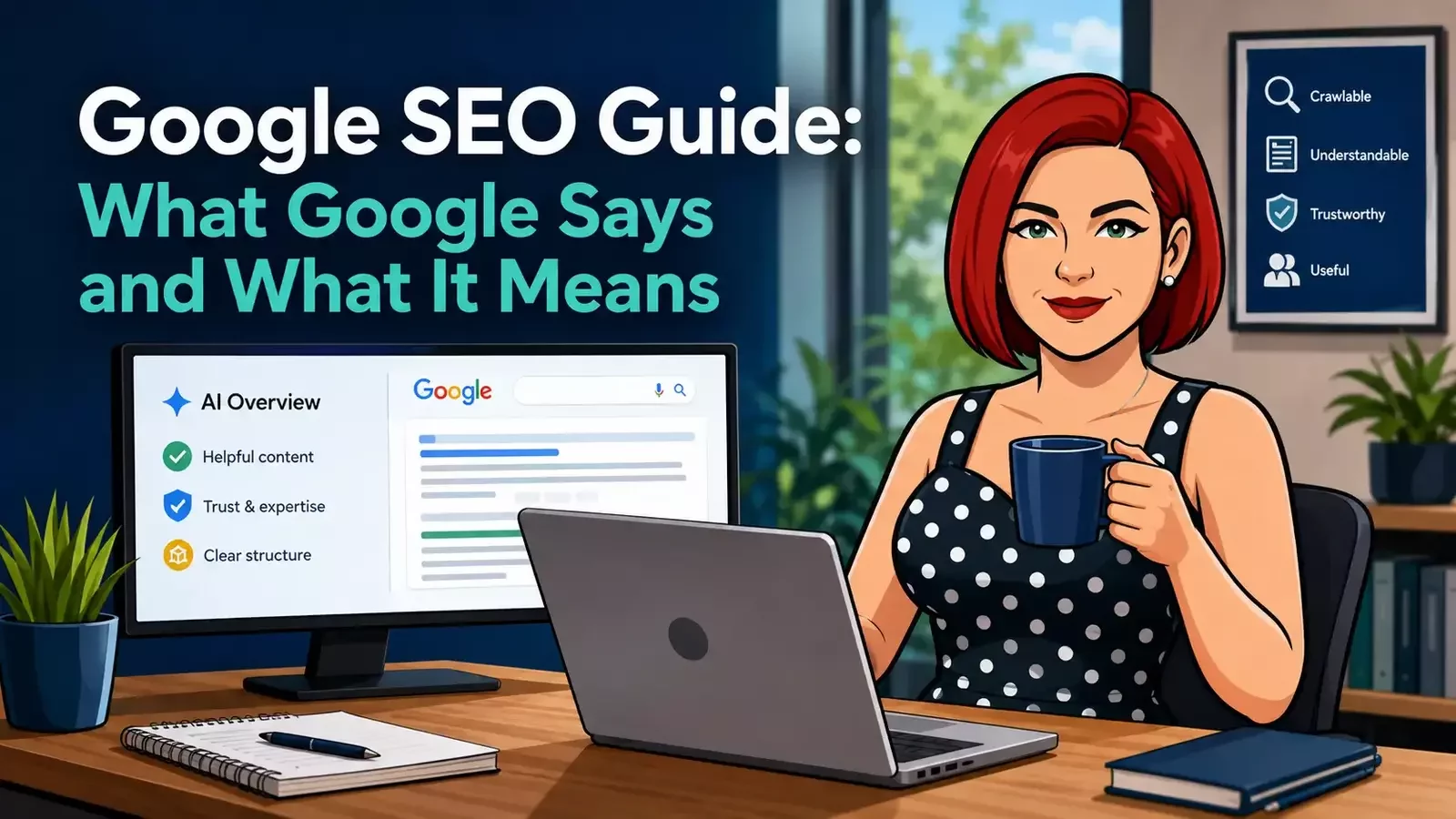
Google has changed its guidance too. In July 2026, it published specific advice for website owners looking to appear within generative AI features such as AI Overviews and AI Mode. The interesting part is that Google has not invented a completely new branch of SEO. Its new advice largely reinforces the principles it has promoted for years.
Google says established SEO practices still apply. Websites need to be easy to access, logically organised and filled with useful information that offers something beyond what has already been repeated across the internet.
What's inside? (TL;DR)
Google has recently expanded its guidance to cover generative AI search, but the fundamentals have not changed as much as many people think.
This article explains what Google's latest advice really means for small businesses and where experience matters more than simply following documentation.
Useful Sections
Estimated Reading Time
9 Minutes
This matters because the major standalone AI platforms have been much slower to explain how businesses can improve their visibility. They provide some technical information about their crawlers, but nothing close to the depth offered through Google Search Central. OpenAI provides guidance about its search crawler, but there is still nothing comparable to Google's detailed SEO documentation.
That does not mean businesses should optimise only for Google. It means Google currently provides the clearest public framework for building websites that people, search engines and AI search tools can discover and understand.
The useful part is not simply repeating what Google has published. It is working out what that advice means for an actual small business website, where priorities, budgets and opportunities are rarely as neat as the documentation suggests.
Google Wants to Understand Your Business
Many businesses still approach SEO as a collection of techniques designed to influence an algorithm. They worry about keyword density, hidden ranking factors, algorithm updates and whatever tactic happens to be attracting attention that month.
Google’s own guidance points in a more practical direction. It needs to work out what your business does, who it helps and whether a page is relevant to the person carrying out the search.
To do that, Google needs access to the website. It needs enough information to interpret each page correctly, and it needs reasons to trust what has been published.
The same broad principle applies to AI-powered search. Different platforms may display information in different ways, but all of them benefit from accurate content, sensible site structure and clear explanations of what a business offers.
Useful Content Matters More Than Content Volume
Many businesses still believe publishing more content automatically leads to better rankings. It does not. The standard has simply become higher.
Publishing large numbers of short articles because “Google likes fresh content” was never a particularly strong strategy. More pages do not automatically create more authority, and a website filled with repetitive articles can become harder to navigate and maintain.
Google encourages website owners to publish content that answers genuine questions, demonstrates real knowledge and helps people make informed decisions. That does not mean every page needs to be long. A direct answer is often more useful than a thousand words written to reach an arbitrary target.
Before creating something new, ask whether it supports an important service, answers a question customers genuinely ask or adds information that is currently missing. If it does none of those things, it may not need to be published.
This is particularly relevant now that AI can produce large quantities of passable copy within seconds. Using AI does not automatically make content poor, but speed and volume are not substitutes for experience, judgement or an original point of view.
The question is not how frequently you can publish. It is whether the content gives the reader a useful reason to choose your business, trust your advice or take the next step.
Each Important Page Should Make Sense on Its Own
Imagine somebody arrives directly on one of your service pages from a search result. Would they quickly understand what you offer, who the service is for, why they might choose you and what they should do next?
A surprising number of business websites rely on the visitor already knowing the answers. They use vague headings, brief descriptions and generic claims that could apply to almost any competitor.
That creates problems for people and search engines alike. Clear page titles, useful headings, straightforward navigation and descriptive internal links help show how the information fits together.
This does not require every page to be simplified to the point of being dull. It means removing unnecessary guesswork.
Your homepage should establish the overall business. Service pages should explain specific offers. Location pages should have a genuine reason to exist. Articles should answer real questions and link naturally to the relevant commercial pages.
A sensible structure helps people move through the website while giving search engines a better picture of which pages matter and how they relate to one another.
Technical SEO Removes Obstacles
You do not need to become a web developer to understand the purpose of technical SEO. Its job is to make sure the website works properly and that search engines can reach the information you want them to find.
The site should load reliably, work properly on mobile devices and allow important pages to be crawled and indexed. Broken links should be repaired, redirects should lead to the correct destination, and key information should not be hidden behind technology that search engines struggle to process.
Page titles, headings and image descriptions also provide useful context. None of these elements will push an unhelpful page to the top of Google, but poor implementation can hold back an otherwise strong website.
Technical work and content are often treated as separate parts of SEO, but they depend on each other. Strong content cannot achieve much if Google cannot access it. A technically sound page will not perform simply because all the boxes have been ticked.
The aim is to make good information available without creating avoidable barriers.
Structured Data Provides Extra Context
Structured data is often presented as a shortcut to better rankings. That is not its purpose.
It provides search engines with additional information about what appears on a page. Depending on the page, it may identify a business, product, service, review, event or article in a format that systems can process more easily.
The visible content still needs to do the real work. Structured data supports that content by confirming what certain information represents.
This becomes increasingly useful as search results include more summaries, enhanced listings and AI-generated answers. The systems producing those results need to identify facts accurately and understand the relationship between different pieces of information.
Structured data should match what is genuinely visible on the page. Adding unsuitable or inaccurate markup is unlikely to help and may create new problems. Used properly, it provides support rather than a substitute for clear content.
Links Are About Relevance and Context
Backlinks remain part of how Google assesses websites, but much of the advice businesses receive about link building is badly outdated.
A link from a relevant and respected website can provide a useful signal. A mention from an industry organisation, local business group, supplier, professional body or trusted publication can help establish context and credibility.
That does not mean every backlink is valuable. Buying large numbers of links from unrelated websites or submitting a business to hundreds of poor-quality directories is unlikely to create lasting results.
Internal links matter too. They help visitors find useful supporting information and show search engines which pages are connected.
A service page might link to a relevant case study or explanation. An article might direct the reader towards the service that solves the problem being discussed. The link should be useful in that location rather than added simply because an SEO checklist says one is required.
The source, destination and surrounding content all influence whether a link adds anything worthwhile.
Google Provides Principles, Not a Personalised Plan
Google’s documentation describes the qualities it generally wants to see. It cannot tell an individual business exactly what to do next.
It will not decide which services deserve dedicated pages, whether the homepage is too vague or which questions customers need answered before they make contact. It will not assess the strength of local competitors or tell you whether a new location page has a genuine purpose.
Those decisions depend on the business, its market, its audience and the current condition of the website.
One company may need urgent technical repairs. Another may already have a healthy website but weak service pages. A third may be publishing regularly without producing anything its customers actually need.
Knowing Google’s recommendations is useful. Knowing which of them matters most in a specific situation is where strategy and experience come in.
What Google Says About Generative AI Search
Google’s new generative AI guidance is significant, but not because it introduces a long list of new optimisation techniques.
It confirms that the same core SEO practices remain relevant to AI Overviews and AI Mode. Websites still need to be crawlable, useful, trustworthy and properly organised. Google does not require special AI markup or a separate version of the site written specifically for generative search.
That does not mean nothing has changed. AI answers can combine information from several sources, respond to longer and more detailed questions, and sometimes satisfy the user without generating a website visit.
Businesses therefore need to think beyond traditional rankings. Their information may be used to support an answer, introduce the brand during early research or influence a later decision.
The sensible response is not to replace existing SEO work with a new set of fashionable tactics. It is to strengthen the source material these systems rely on: accurate service information, useful explanations, genuine expertise and a website that is easy to access.
AI search changes how information may be displayed. It does not remove the need for a strong website.
Getting Indexed Does Not Guarantee Visibility
A page can be available to Google without earning a prominent position.
Technical SEO allows the page to be accessed and indexed. Relevant content gives Google a reason to consider it for a search. Trust, usefulness and authority influence whether it can compete with the other available pages.
There is still no checklist that guarantees a particular ranking, an AI Overview citation or inclusion within an AI-generated answer.
Businesses sometimes interpret indexing as proof that the SEO work is finished. In reality, it only means the page is able to compete.
The result also needs to appeal to the person searching. A page title may earn an impression, but it still has to encourage the click. A mention within an AI answer may improve awareness, but the business information needs to be convincing enough to influence what the user does next.
Visibility grows through a series of improvements rather than one technical switch.
SEO Reporting Is Becoming Less Neat
Traditional SEO reports tend to focus on rankings, impressions, clicks and website traffic. Those figures are still useful, but they no longer show the whole picture.
AI-powered results can expose a business to potential customers without creating an immediate website visit. Google’s reporting does not yet provide a complete view of every appearance within its generative AI features, and the standalone AI platforms provide even less detail.
That makes it difficult to attach a precise value to every mention or citation.
The answer is not to stop measuring SEO. It is to use the available data in context. Relevant website visitors, enquiries, conversions, brand searches and sales matter more than an isolated ranking or a graph moving upwards.
Search visibility is valuable when it helps more of the right people find, understand and choose the business.
What This Means for a Small Business Website
Google’s documentation is detailed, but its main message is fairly straightforward. Businesses need websites that work properly, explain their services well and provide information people can rely on.
That is true whether a potential customer discovers the business through a standard Google result, an AI Overview, ChatGPT or another search platform.
The specific technology will continue to change. New result formats will appear, reporting tools will improve and somebody will always be selling a new shortcut.
The businesses in the strongest position will usually be those that keep their information accurate, maintain their websites and publish content based on genuine customer needs rather than temporary SEO trends.
Where Should You Start?
Begin with the website rather than the latest SEO tactic.
Check whether a new visitor can quickly understand what the business offers. Review the key service pages and look for missing information, vague descriptions or unsupported claims. Make sure important customer questions are being answered somewhere useful.
Then check whether search engines can access those pages and understand how the website is organised. Look for broken links, indexing problems, confusing navigation and pages that are isolated from the rest of the site.
Google has provided a strong framework. The difficult part is deciding how it applies to your business and which improvements deserve attention first.
Can We Help?
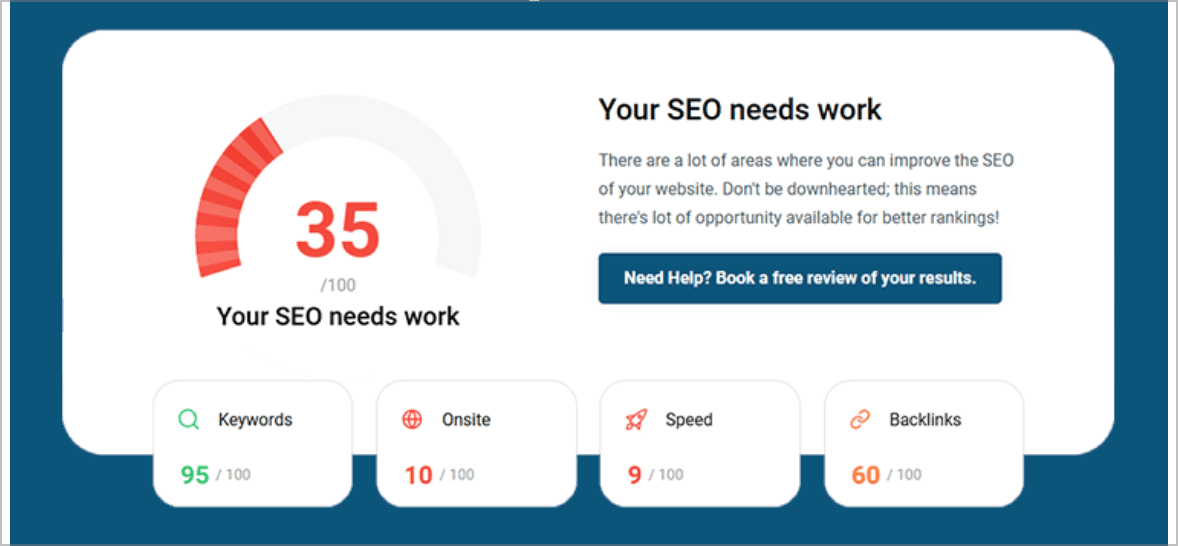
Many people end up on our blog because their SEO is not working the way they hoped, and they are trying to work out what to do next.
Sound familiar?