
Backlinks have been part of SEO for as long as most of us can remember. In the early days, they were treated like a numbers game. The more links you had, the better your chances of ranking.
That made life very easy for people selling shortcuts. Buy a bundle of links, sprinkle them around the internet, and wait for Google to notice. For a while, that nonsense worked.
But search has moved on. Google got better at spotting junk, and AI search has added another layer of scrutiny. So the real question is not whether backlinks still matter.
It is whether the backlinks pointing at your website are helping you build trust, or quietly dragging you into the weeds.
What's inside? (TL;DR)
Backlinks still matter, but not in the old “more is better” way.
This article explains why quality, relevance, trust, local listings, and sensible link earning matter more than shortcut link-building.
Useful Sections
Estimated reading time:
4 minutes
The Old Days: When Quantity Beat Quality
Back in the early 2000s, SEO was a numbers game. The more links you had, the better.
Directories, forums, and even bundles of 1,000 links for a few quid all worked. For a while.
Then Google got smarter. Updates like Penguin and Hummingbird began punishing spammy link building. Suddenly, those cheap wins turned into costly penalties.
Buying backlinks was not just a bad idea. It became a fast track to disappearing from search results altogether.
Today: Backlinks Still Count — But Only The Right Ones
Backlinks still matter, but not in the old “stack ’em high” way.
Search engines now reward quality, context, and trust:
A link from a niche industry publication? Gold.
A random link from an unrelated blog? Worthless.
A paid link from a shady network? Dangerous.
AI search platforms also lean on trusted sources when serving answers. Backlinks help establish which websites are credible enough to be referenced, cited, or used as supporting evidence.
Think of it like nutrition. One balanced meal fuels your body better than 100 empty calories.
Recent industry research also backs this up: raw link counts matter less than contextually relevant, high-quality backlinks.
Should You Ever Buy Backlinks?
In short: no.
Buying or selling links has always been a gamble. Yes, you will see plenty of ads on LinkedIn or Facebook promising quick wins. But if it looks too good to be true, it usually is.
Google’s guidelines are clear: exchanging money for links that pass PageRank is against the rules, and the penalties can wipe out your hard work.
For the seller, it might feel like a side hustle. Agencies or webmasters make a quick buck placing links. For the buyer, it looks like a shortcut to higher rankings.
In reality, both sides are setting themselves up for failure.
We have spoken to business owners who bought backlink packages, only to find themselves invisible on Google months later and facing expensive clean-up work. Likewise, some site owners who sold links saw their domain trust collapse.
It is like buying knock-off trainers for a marathon. Fine at the start, but you will be limping before long.
The only grey area is PR or sponsored placements. Paying for coverage in a legitimate publication is fine, as long as the content is useful and transparent. But if your only goal is to manipulate rankings, you are playing with fire.
At KickstartSEO, we do not buy or sell backlinks. Service first, shortcuts never.
The Role Of Directories And Local Listings
Directory links once meant blasting your site across as many listings as possible.
Today, that approach is outdated. Most generic directories carry little SEO weight, and in some cases, they can even harm your profile.
But local and niche directories still have value.
NAP consistency matters because Google trusts businesses with accurate, consistent data. Visibility beyond Google also matters because Apple Maps, Bing, Yelp, TomTom, and similar platforms feed data to apps, maps, and AI assistants.
Local credibility matters too. Chamber of Commerce listings, trade associations, and reputable local directories can strengthen your presence.
At KickstartSEO, directory management forms part of our Optimiser AI and Optimiser Premium strategies through the KickstartSEO Portal. It helps keep your business consistent across platforms.
Think of it as SEO vitamins. Necessary for health, but not the main workout.
A Healthy Backlink Strategy For 2026
Backlinks are still part of the plan, but you have to train smart.
Create link-worthy content such as in-depth guides, original research, FAQs, and useful data that others naturally want to reference.
Guest posting can still work, but only on relevant, reputable sites. PR and partnerships can also help, especially through local organisations, industry publications, and genuine collaborations.
You should also audit your backlink profile regularly. If toxic links are dragging you down, prune them before they become a bigger problem. And do not ignore unlinked mentions. If someone references your business without linking to you, ask politely. Not every request will work, but
some will.
Like fitness, consistency is what pays off. One viral moment is nice, but steady progress builds long-term strength.
Think less crash diet, more balanced meal plan. The results stick when you build habits, not hacks.
Do Social Media Links Help SEO?
Here is the truth: links from LinkedIn, Facebook, or Instagram will not usually give you direct ranking power.
Most are no-follow, so they are not counted as authority votes in the same way as traditional backlinks.
But they do help indirectly.
They drive traffic and visibility. They put your content in front of journalists, bloggers, customers, and potential partners who may link to you later. They can also support brand searches, which help reinforce visibility.
So while a Facebook link will not magically move your site up the rankings, the attention it brings might.
Here’s My Point
Backlinks are not dead. They are just different.
Focus on earning quality links, not buying dodgy ones. Create content worth sharing. Build relationships. Keep your business information consistent across the web.
And remember: SEO is a marathon, not a sprint.
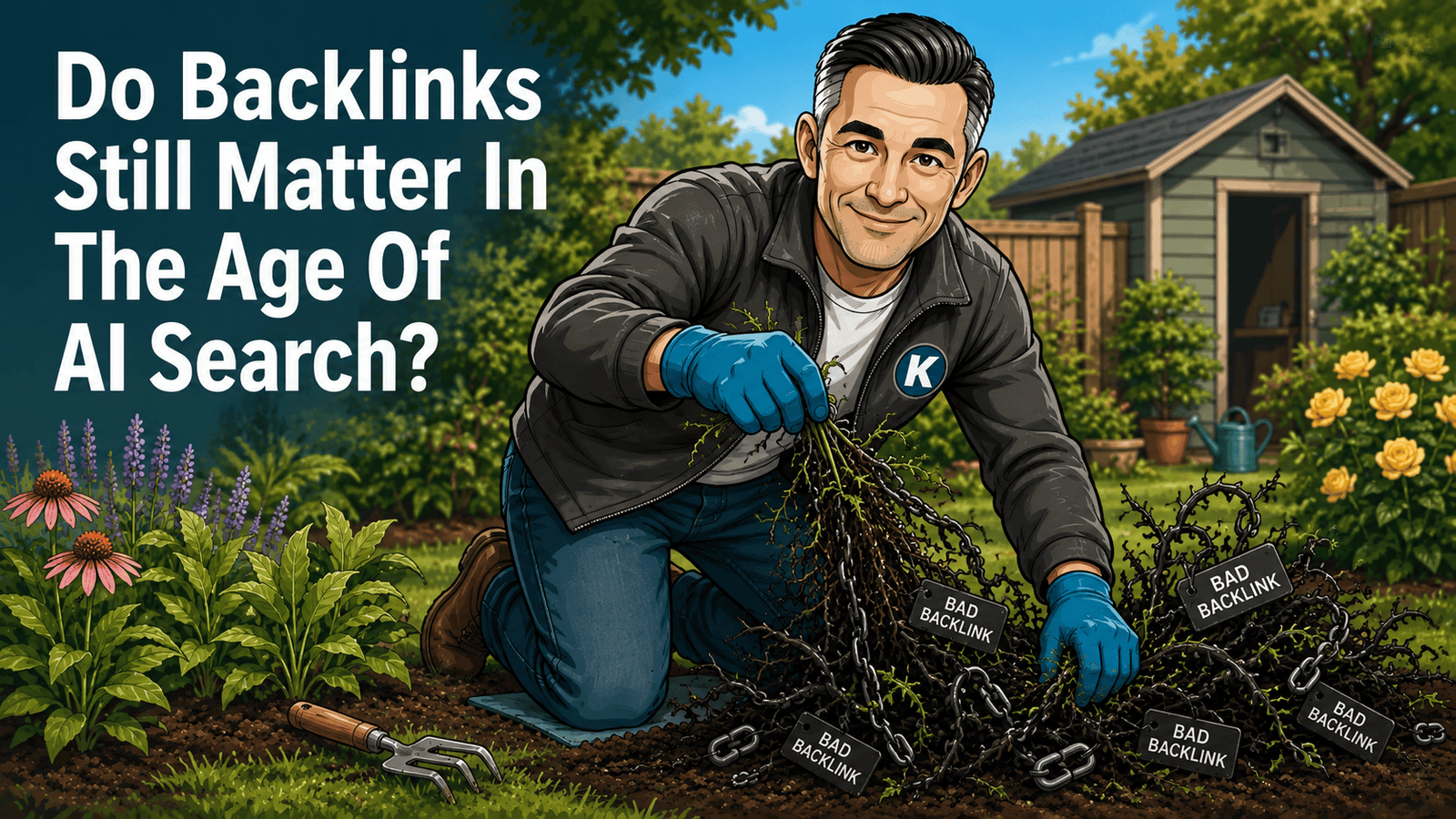
If you are unsure whether your backlinks are helping or holding you back, you are not alone. That is why backlink analysis still matters. It helps separate useful authority from digital weeds before they take over the garden.
Can We Help?
Many people end up on our blog because their SEO is not working the way they hoped, and they are trying to work out what to do next.
Sound familiar?
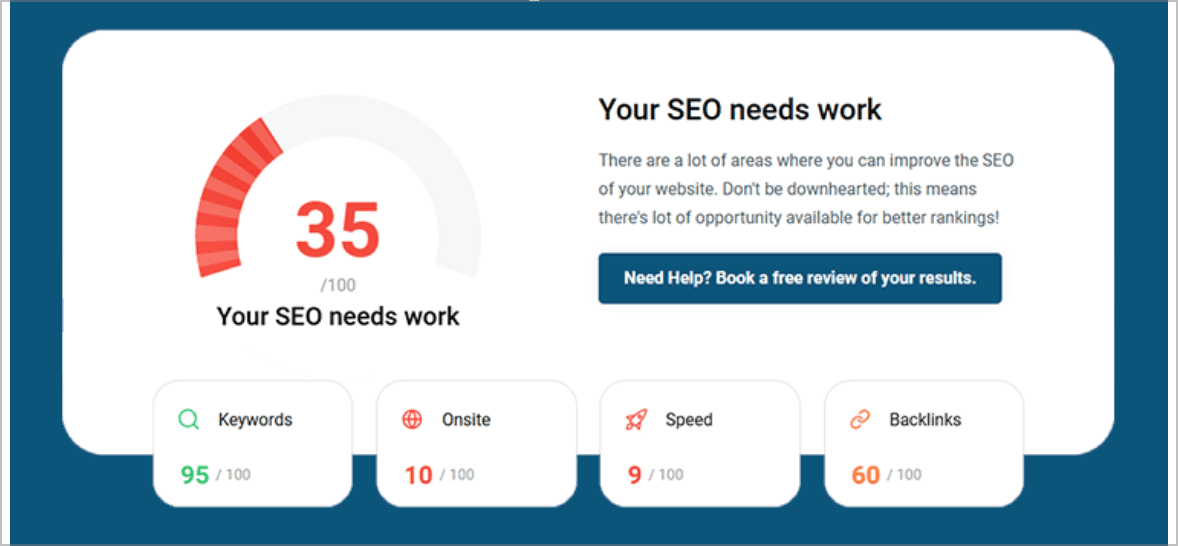
If your backlink profile is full of mystery links, old directory clutter, or “helpful” shortcuts from years gone by, it is worth knowing what is actually helping and what needs to be pulled out by the roots.
Backlinks can still support your visibility, but only when they build trust rather than raise eyebrows.