Google has spent decades building an ecosystem that connects businesses with customers. Between Google Analytics, Search Console, Business Profile and Google Ads, businesses have an extensive collection of tools to manage their online presence and understand how people discover them.
ChatGPT has been a rather different proposition. As AI discovery grows, one of the biggest challenges for businesses and SEO agencies is understanding how their websites connect with what happens inside AI platforms.
Well, it looks like OpenAI has cracked the door open.
What's inside? (TL;DR)
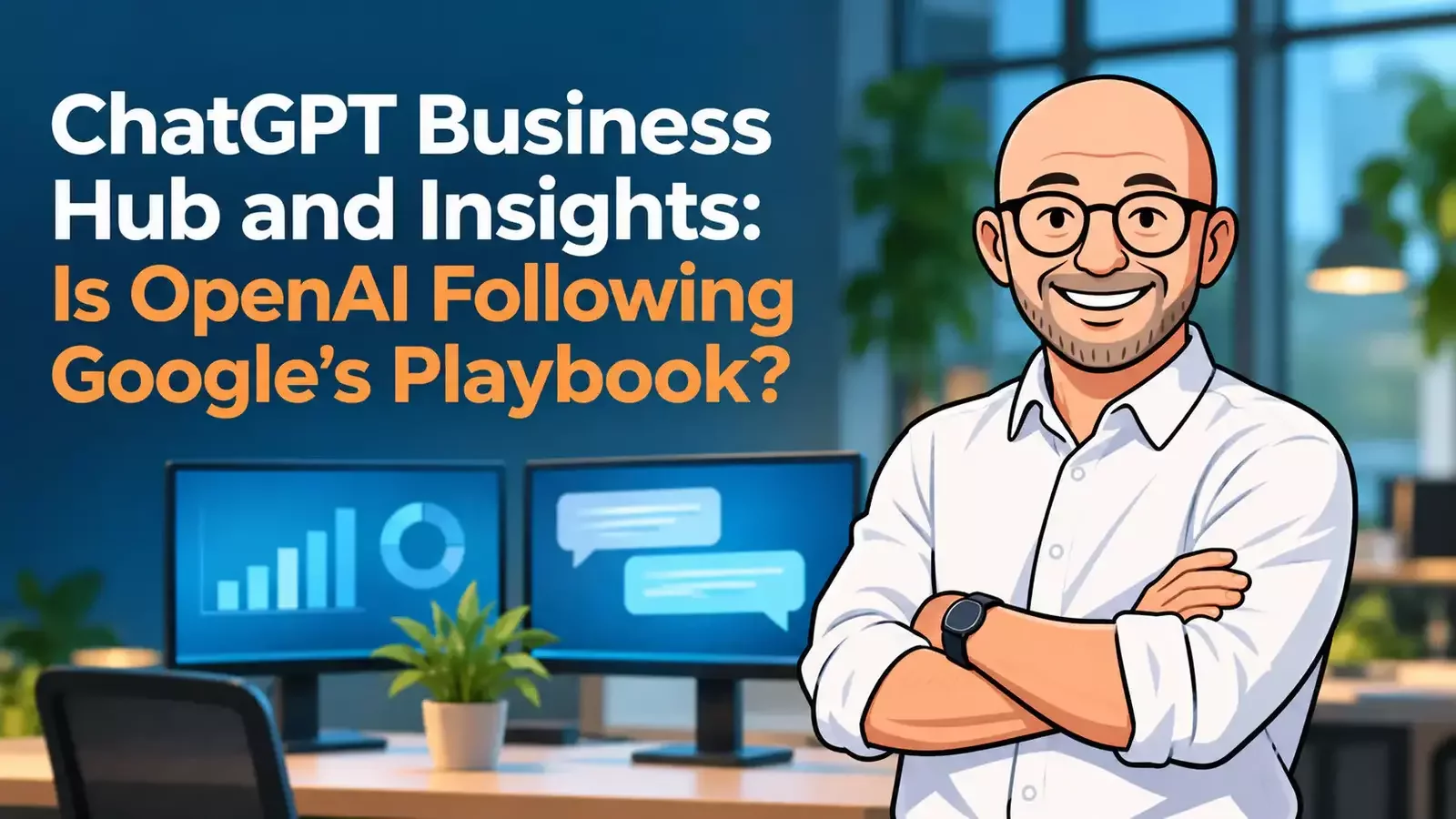
OpenAI has introduced Business Hub and Insights, giving businesses new ways to manage their information and understand their visibility in ChatGPT.
We examine whether OpenAI is following Google's approach, what this means for SEO, and how KickstartSEO intends to test the tools before offering them to clients.
Useful Sections
Estimated reading time:
5 minutes
On 10 November 2026, OpenAI announced Businesses in ChatGPT, introducing a new Business Hub where companies can claim their profiles and access Insights about how people discover and engage with them through ChatGPT.
It's early days, but I can't help wondering whether we're seeing the beginnings of something familiar. Is OpenAI starting down the same road Google travelled?
Business Hub: A New Way to Manage Your Presence
Business Hub allows eligible businesses to claim their organisation and, following verification, manage information about themselves within ChatGPT.
That includes business descriptions, website details, categories and branding. Retailers can also provide product information, including prices and availability.
ChatGPT may use this information when answering questions, alongside other available sources.
There's a familiar ring to this. Google has encouraged businesses to manage accurate information through its services for years.
However, Business Hub isn't another Google Business Profile. The two systems work differently, and we don't yet know how much influence verified information will have on ChatGPT's recommendations.
Insights: A First Look at AI Discovery
For me, the more interesting part of the announcement may be Insights.
According to OpenAI's official documentation, verified businesses can access reporting covering the previous 28 days.
Initially, this includes:
Mentions:How often ChatGPT references a business. For online businesses, this requires a reference to their website. Local business mentions are measured differently.
Website clicks:How often people click through from ChatGPT to the business's website.
Discovery topics:Common themes in ChatGPT answers that mention or cite the business.
OpenAI has also illustrated business profile views in its announcement.
This could be useful information for businesses trying to understand their visibility beyond traditional search engines.
There are limitations. The reporting is aggregated, individual conversations aren't shared, and privacy thresholds mean some figures may be missing.
We also need to be careful about what the numbers represent. A mention isn't necessarily a recommendation, and discovery topics aren't a record of customers' exact questions.
Nevertheless, this is a welcome development. We've spent years measuring how customers find websites through Google. Now OpenAI is beginning to provide some information about what happens within ChatGPT.
It's another piece of the puzzle, even if we can't see the whole picture yet.
Is OpenAI Following Google's Playbook?
The timing is interesting.
OpenAI has already been developing advertising within ChatGPT. Now we have business profiles, Insights and Business Agents, which allow eligible businesses to answer customer questions through dedicated assistants.
Put these developments together, and I can't help seeing similarities with Google's approach.
Google built a business ecosystem around advertising, information management, measurement and customer discovery. OpenAI appears to be developing some comparable relationships within ChatGPT.
Could this be about encouraging brands to invest more time, business information and advertising budgets into OpenAI's platform? Possibly. We're still watching that develop. But it raises another question.
Is OpenAI beginning to recognise that it needs brands just as much as brands need exposure to ChatGPT's users?
Accurate business information, reliable product details and genuine commercial relationships help make ChatGPT more useful.
Value flows in both directions, innit?
How We'll Approach This at KickstartSEO
Shortly after the announcement, I submitted KickstartSEO's claim through Business Hub. At the time of writing, we're awaiting approval.
Once verified, we'll use our own business as a testing ground. We'll investigate what information we can manage, examine the Insights reporting and establish whether it tells us anything genuinely useful about AI discovery.
We're particularly interested in how this might eventually fit into our fully managed SEO services.
Our clients don't employ us because they want another collection of dashboards, passwords and administrative tasks. They employ us because they want somebody who understands the technology, takes responsibility for managing it and explains what actually matters.
Google has supported that relationship for years. Agencies like KickstartSEO can be given management access to Google Analytics, Search Console and Business Profile without clients having to manage everything themselves.
Encouragingly, OpenAI's documentation already describes ways for businesses to grant agencies management access.
That's a positive start, although centralised management of multiple brands isn't currently supported. We'll need to see how practical the arrangements are when working with several client accounts.
If Business Hub and Insights become useful additions to our services, we want to manage them for our clients, not hand them another job to do.
But we're not going to sell something until we understand how it works and whether it provides genuine value.
Will Claiming Your Business Improve Its Visibility?
Here's where we need to be careful.
OpenAI explicitly states that claiming a business doesn't guarantee increased visibility or preferential treatment in ChatGPT's independent recommendations.
Accurate information may help ChatGPT describe a business correctly, but that doesn't prove it will recommend the business more frequently.
Because we don't know what we don't know, I'd rather investigate the opportunity than pretend we've already discovered the winning formula.
And beware the irrational exuberance that's sure to follow.
The get-rich-quick schemers will probably be selling guaranteed ChatGPT rankings before I've finished my coffee.
I'd suggest keeping your wallet closed until there's some actual evidence.
What Should Business Owners Do Now?
If your business is eligible, visit OpenAI's Business Hub and investigate claiming it.
Make sure your business information is accurate, and continue looking after your website and established business profiles. Nothing in this announcement makes those foundations any less important.
We'll be testing Business Hub and Insights as access becomes available, sharing what we learn and deciding whether they deserve a place in our client services.
This could be an important step towards connecting websites, businesses and AI discovery.
For now, it's a promising development. But promising and proven are two different things.
Information correct as of 11 November 2026. Businesses in ChatGPT is currently in beta, and features and availability may change.
Can We Help?
Many people end up on our blog because their SEO is not working the way they hoped, and they are trying to work out what to do next. Sound familiar?
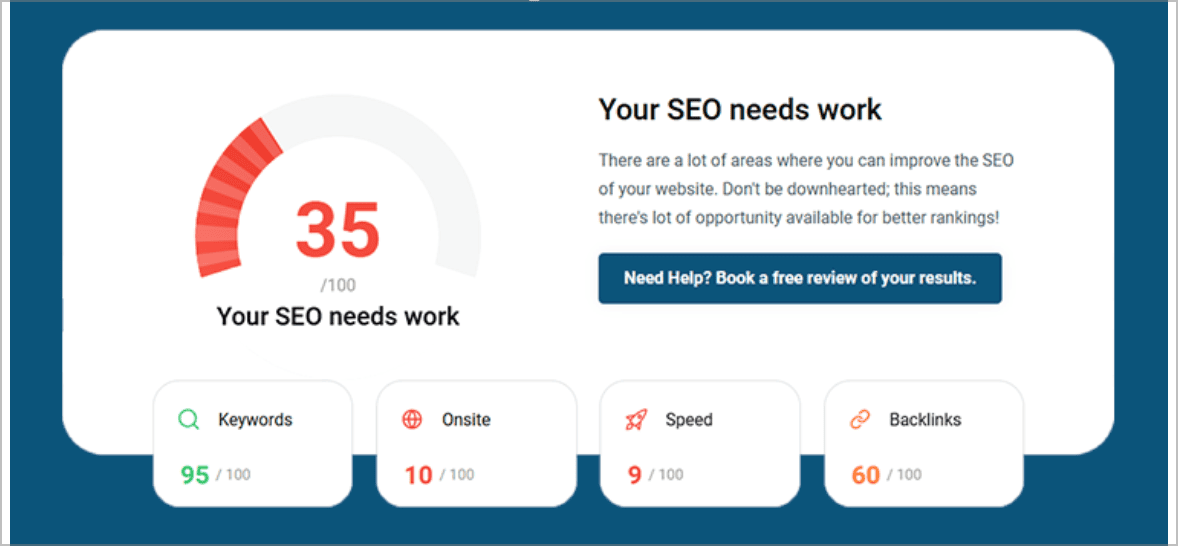
Wondering whether your business is visible in ChatGPT, and whether your current SEO strategy is keeping pace?
AI search is creating new opportunities, but it's also creating confusion about what businesses should prioritise. Before investing in new tools or chasing promises of better AI rankings, it's worth understanding how well your existing online presence supports discovery across traditional search and AI platforms.