
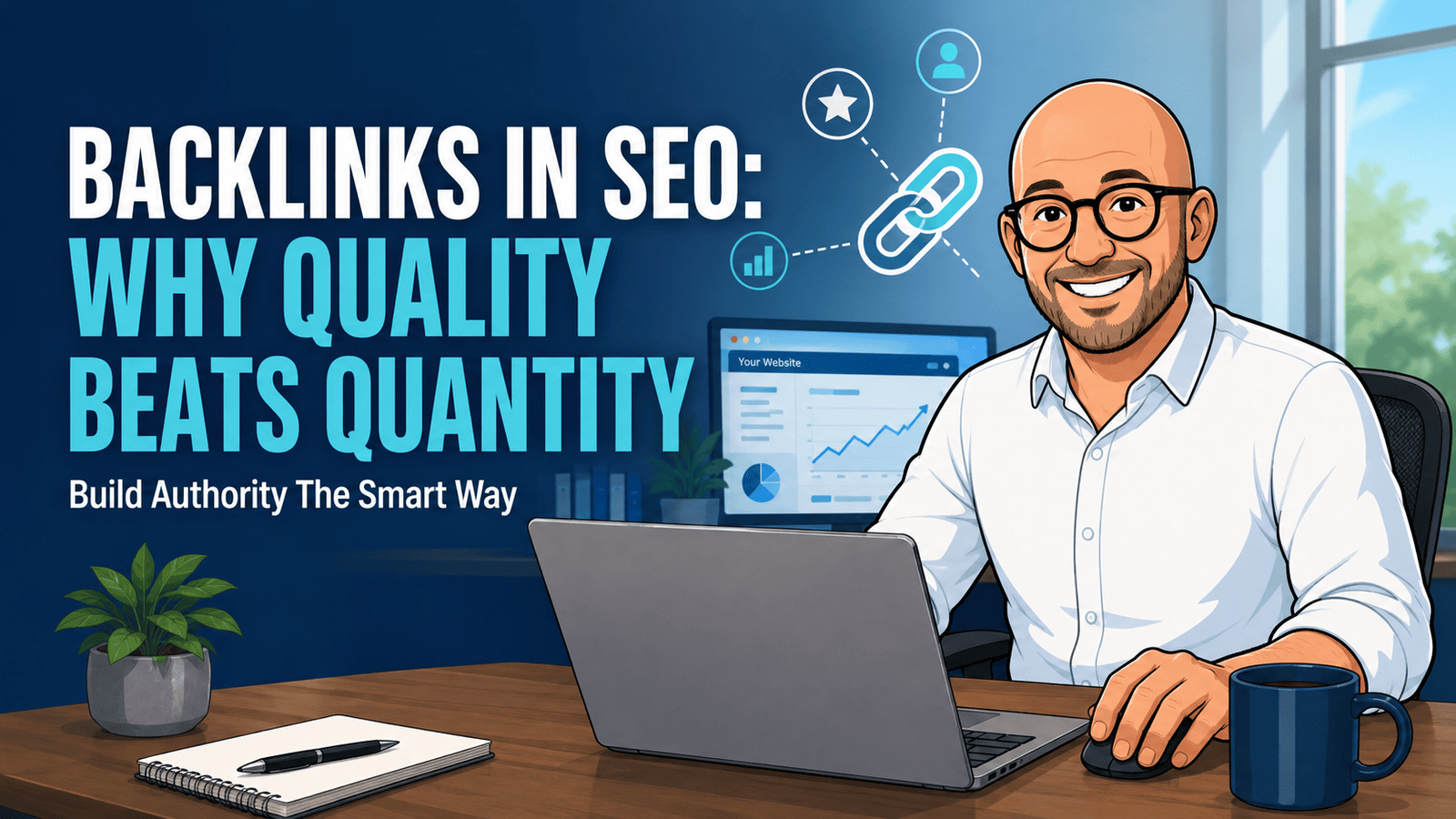
Backlinks are still part of SEO, but the days of treating them like a numbers game are long gone.
A backlink is simply a link from another website to yours. Search engines can use those links as a signal of trust, but not all links are equal. One relevant, trusted link from a good local or industry website can be worth far more than dozens of random links from places nobody sensible would visit twice.
That is where many businesses get caught out. They are promised quick wins, cheap backlinks, and instant ranking improvements. Lovely idea. Usually nonsense.
What's inside? (TL;DR)
This article explains why backlink quality matters more than backlink volume, especially as search engines get better at spotting trust, relevance, and useful content.
It also looks at the risks of buying cheap backlinks and how to build links that actually help your website.
Useful Sections
Estimated reading time: 5 minutes
Backlinks still have a place in SEO, but they now work alongside other important signals such as helpful content, page experience, website trust, and how people actually interact with your site.
In simple terms, links should support your authority, not try to fake it. That means building useful relationships, creating content worth referencing, and staying well away from “100 backlinks for £50” nonsense.
Tempting, yes. Sensible, no.
The Coming Changes In Search
Google’s systems grow more sophisticated each year. Search engines are no longer simply counting backlinks as if SEO were a scoreboard.
They are looking more carefully at whether your website genuinely helps visitors. Good backlinks still matter, but they now work alongside other signals such as mobile-friendly design, fast loading speeds, useful content, and whether visitors stay engaged with your pages.
As this develops, a website with fewer but better backlinks can often outperform competitors who have collected lots of random links. For small businesses, that is good news. It means you do not need the biggest link profile. You need the right kind of trust.
Building Value Through Links
The future of backlink value depends on relevance, trust, and usefulness. A backlink should make sense in context. It should support your authority, not look like it was bought by the kilo.
Local And Industry Relevance
Links from websites in your industry or local area usually carry more weight than random mentions elsewhere.
A link from a local builders’ association will mean more than twenty links from fashion blogs if you run a Bedford plumbing business. Relevance matters because it helps search engines understand where your business fits.
Trust Through Authority
Established websites can pass more value through their links.
A mention from a local newspaper, chamber of commerce, respected supplier, trade body, or trusted community website is usually far more useful than a link from a new, unknown, or unrelated site.
Visitor Behaviour Signals
Search engines are getting better at understanding how people interact with websites.
If people trust, read, and engage with the sites linking to you, that can support the value of those links. A link buried on a poor-quality website that nobody reads is unlikely to do much for your credibility.
The True Cost Of Buying Backlinks
“Get 100 backlinks for £50!”
These offers land in business inboxes every day. They promise quick ranking improvements, guaranteed results, and sometimes even links from supposedly respected websites.
Tempting? Yes.
Risky? Also yes.
The problem is that paid link schemes often leave very obvious patterns. The links may come from unrelated websites, overseas domains, low-quality blogs, or pages stuffed with random outbound links. Many use the same wording again and again. That sort of footprint is not subtle.
Google’s rules are clear: paid links intended to manipulate rankings can put your website at risk.
Your rankings might even improve for a short while. That is part of the trap. Then the drop comes, and getting back into Google’s good books can take months of careful cleanup work.
For a small business, that can mean lost visibility, lost enquiries, and a lot of wasted time. The cheap option suddenly looks rather expensive. Funny how that works.
Some providers claim they sell “high-quality” backlinks that Google will not spot. Treat that with caution. If the link exists only because money changed hands, and it is there to influence rankings, you are playing with risk.
A better question is not “How many links can I buy?”
It is “What would make another credible website genuinely want to link to us?”
Earning Links That Last
Successful link building is not about shortcuts. It is about earning trust in ways that make sense to people first and search engines second.
That usually means creating useful content, building real relationships, and showing that your business deserves to be referenced.
Share Knowledge That Helps
Create content that demonstrates your expertise and answers real customer questions.
That might include practical guides, local advice, case studies, comparison articles, FAQs, or clear explanations of common problems in your industry. When your content is genuinely useful, other websites have a reason to reference it.
This is where many businesses miss the point. A blog post written only to satisfy Google rarely earns links. A genuinely helpful resource has a much better chance.
Connect With Your Community
Local businesses can often earn good backlinks by being visible in the real world.
Join local business groups, support community events, collaborate with nearby companies, contribute to local publications, or take part in relevant industry conversations. These activities can lead naturally to mentions from websites that make sense for your business.
This is not glamorous. It is just useful. Annoying how often that works.
Show Your Credentials
Strong trust signals make others more likely to reference your website.
Keep professional certifications current. Share genuine customer feedback. Maintain active industry memberships. Show real experience. Make it easy for people to understand why your business is credible.
This also supports E-E-A-T: Experience, Expertise, Authoritativeness, and Trustworthiness. In plain English, it means proving you know what you are doing.
Monitoring Your Link Profile
Staying on top of backlinks means knowing who links to you and whether those links help or harm your visibility.
A backlink profile can change over time. You may earn new links naturally. Competitors may gain links you have not spotted. Low-quality websites may start linking to you without your involvement. Some links help. Some do very little. A few can cause problems.
That is why monitoring matters.
A proper backlink review should look at:
which websites link to you
whether those websites are relevant
whether the links look natural
whether the link text is varied
whether the linking sites have authority
whether any links look risky or spammy
whether competitors are earning links from places you should also consider
The goal is not to obsess over every link. It is to spot patterns, identify opportunities, and avoid obvious problems before they become painful.
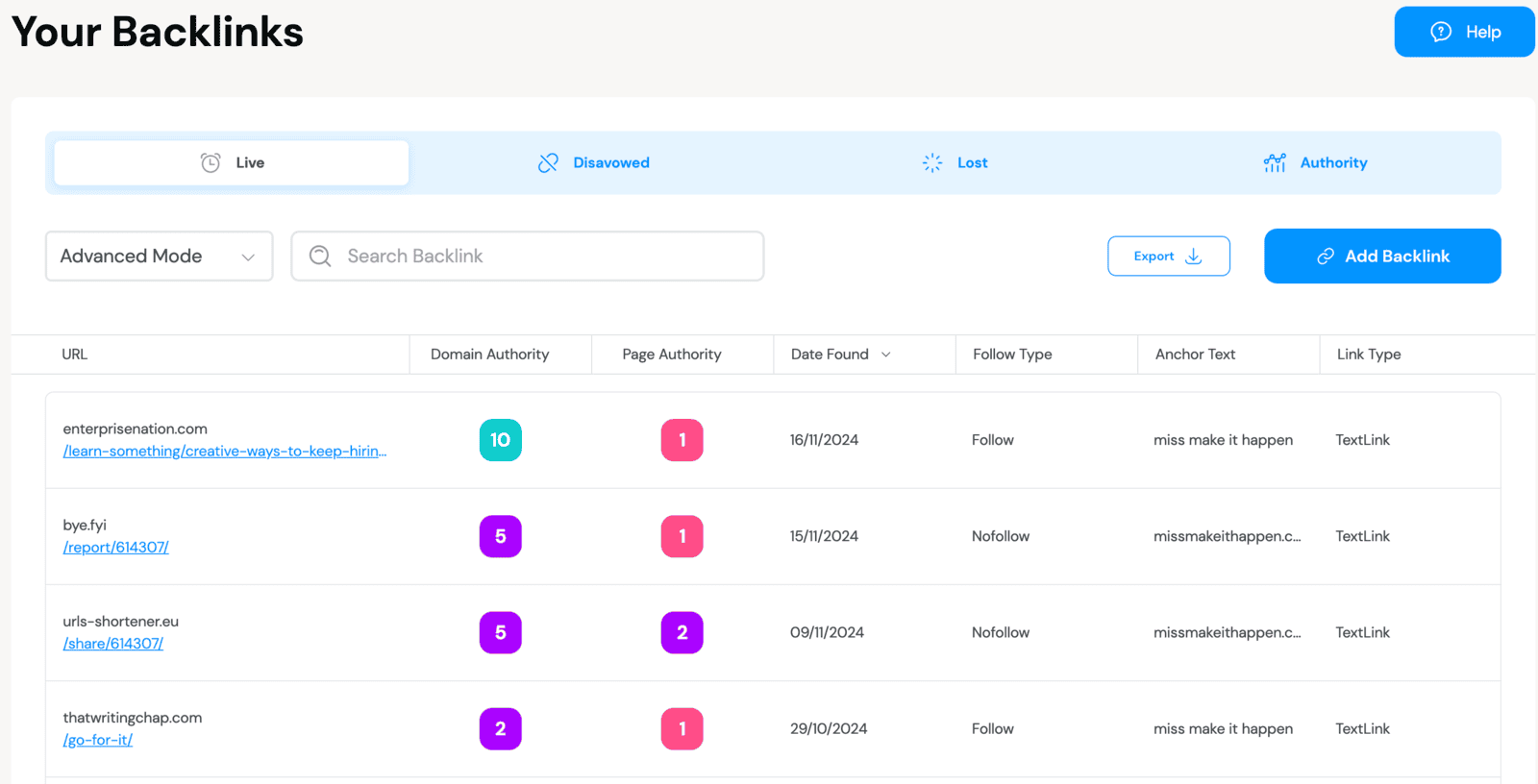
If a low-quality website starts linking to yours, you want to know. If a strong local organisation mentions your competitor but not you, you want to know that too.
Good backlink monitoring takes the guesswork out of link building. Instead of chasing every possible link, you can focus on the ones most likely to help.
Planning For Tomorrow’s SEO
Backlinks will continue to matter, but not in isolation.
The businesses that benefit most will be the ones that build authority properly. That means creating content worth linking to, improving website quality, staying active in relevant communities, and keeping an eye on their backlink profile.
A sensible backlink strategy includes:
Creating content that deserves to be referenced
Building genuine local and industry relationships
Keeping your website fast, useful, and mobile-friendly
Reviewing your backlink profile regularly
Avoiding cheap link schemes and shortcuts
Looking for relevant opportunities your competitors have already found
Building authority takes time. That is not always what people want to hear, but it is usually what works.
A few solid, relevant backlinks will do more for your business than a heap of suspicious links from websites nobody trusts. Quality beats quantity because trust beats noise.
Can We Help?
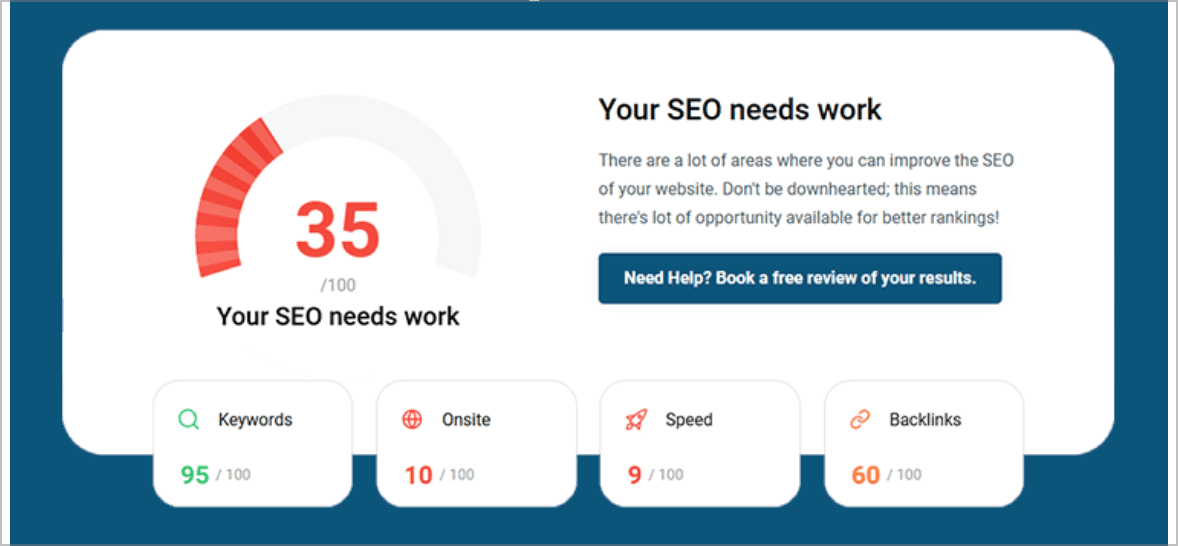
Many people end up on our blog because their SEO is not working the way they hoped, and they are trying to work out what to do next.
Sound familiar?
If backlinks are part of the problem, the first job is not to buy more of them.
It is to understand what you already have, what is helping, what looks risky, and where sensible opportunities exist. No backlink bun fight required.