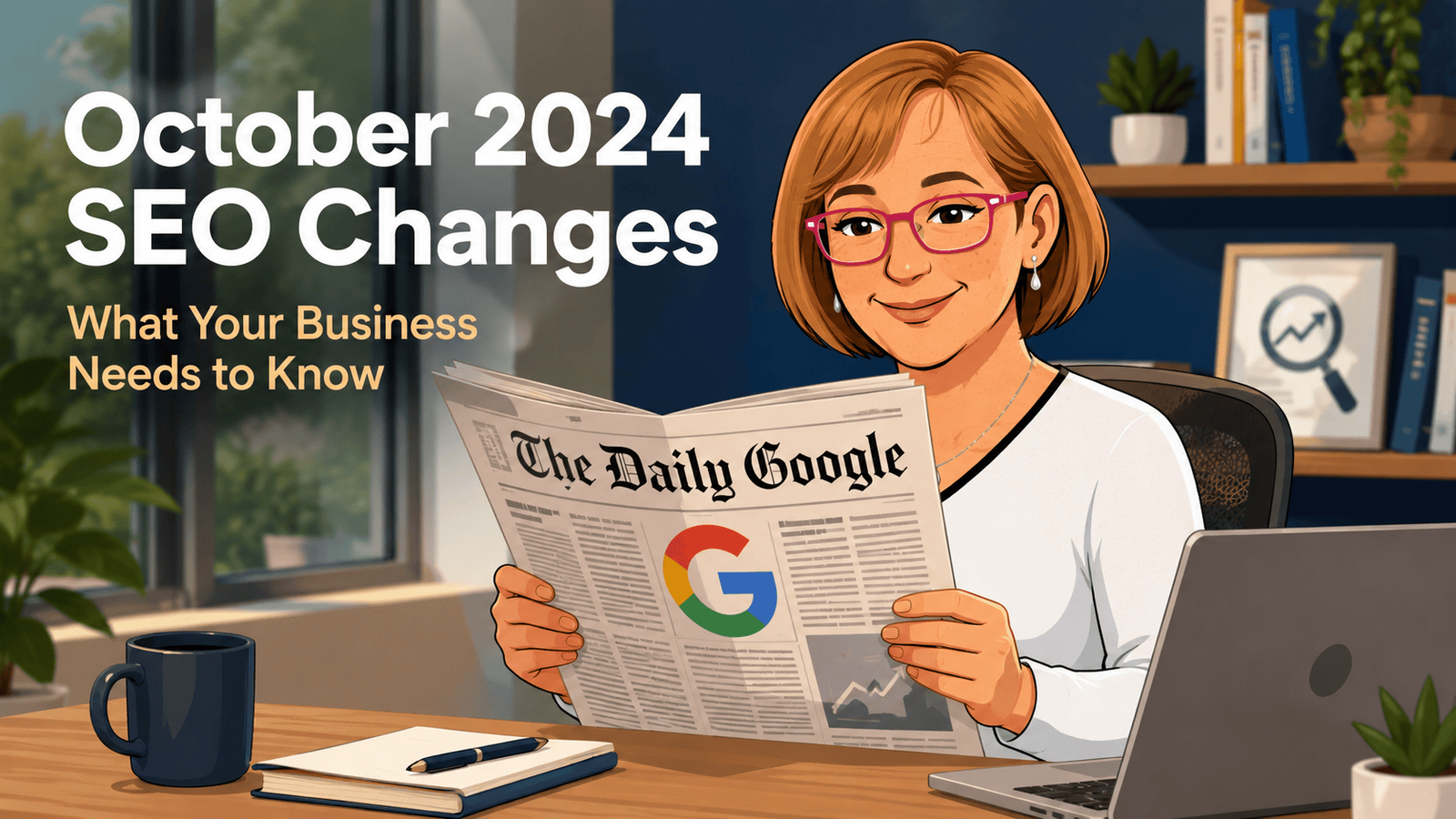
October 2024 brought another round of SEO changes, because apparently Google had a quiet month and needed something to fiddle with.
If your rankings bounced around, you were not alone. Plenty of UK businesses saw movement in search results, especially around visual search, AI summaries, local intent, and mobile usability.
The important bit is not to panic every time Google sneezes. It is to understand what changed, what actually matters, and what you can sensibly do next.
What's inside? (TL;DR)
Google’s October 2024 changes affected how businesses appear across search, especially where AI summaries, visual search, mobile experience, and local intent are involved.
This article explains what changed and where small businesses should focus instead of chasing every ranking wobble.
Useful Sections
- Why These SEO Changes Matter
- What Your Business Should Do Next
Those Unpredictable Rankings
Last month, we watched many client websites play musical chairs in Google’s search results. One day, they were up. The next, they were down.
A café in Bedford we work with saw its “best breakfast” listing jump from page three to page one, then settle somewhere in between.
The good news? These kinds of fluctuations are normal. Instead of worrying about every little change, focus on what you can control: creating useful content, keeping your website technically healthy, and making sure visitors can understand what you offer.
Why These SEO Changes Matter
Google’s search results are not standing still. October 2024 showed how quickly visibility can shift when Google changes how it interprets content, images, local intent, and user experience.
For small businesses, that matters because customers are no longer finding you through one neat route. They may search with text, use an image, ask a more conversational question, or look for something local on their phone.
That does not mean you need to chase every new SEO trend. It means your website needs to be clear, useful, easy to use, and properly connected to the real services and locations your customers care about.
Google’s Getting Good At Understanding Pictures
Last month’s data revealed something interesting: nearly 20% of all Google searches now happen through images rather than text.
People are taking photos of products they like, scanning menus they see in windows, and searching for services by photographing problems they need to fix.
What does this mean for your business? It is time to review your photos.
If you run a shop, make sure you have clear pictures of your products. Trades and services? Show your work in action. Before and after shots can work brilliantly. Restaurant owner? Those food photos matter more than ever.
One of our clients, a local bakery, started paying more attention to its product photos. They took new pictures of their cakes, named the files properly, and added useful descriptions. Within months, new customers said they had found the bakery through image searches.
AI In Search Results: The New Kid On The Block
Google’s AI has expanded its summarising of search results for UK users. The good news is that it is getting better at understanding local context and including more direct links to businesses.
A Stevenage electrician we work with recently appeared in one of these AI summaries for “emergency electrician near me”. Being featured in the right place increased their emergency calls that week.
This is where clear website content matters. If Google is trying to summarise useful answers, your website needs to explain what you do, where you do it, and why someone should trust you.
Vague pages do not help. Clear pages do.
What Your Business Should Do Next
Here is what is worth focusing on:
Take a fresh look at your business photos. Get some new shots if needed and show your products or services in action.
When you save images for your website, give them sensible file names that describe what they are and, where relevant, where you are.
Check how your website looks on your phone. If it is slow, awkward, or difficult to use, fix that first.
Make sure your location appears naturally in your website content. Mention nearby areas where it makes sense, but do not stuff town names everywhere like you are filling a Christmas turkey.
Keep your content useful. Answer the questions customers actually ask before they pick up the phone.
One Last Tip
Do not get too caught up in every SEO change.
Focus on the basics: good photos, clear information about your work, useful local details, and a website that works properly on every device.
Get those right, and you are already ahead of many of your competitors.
Can We Help?
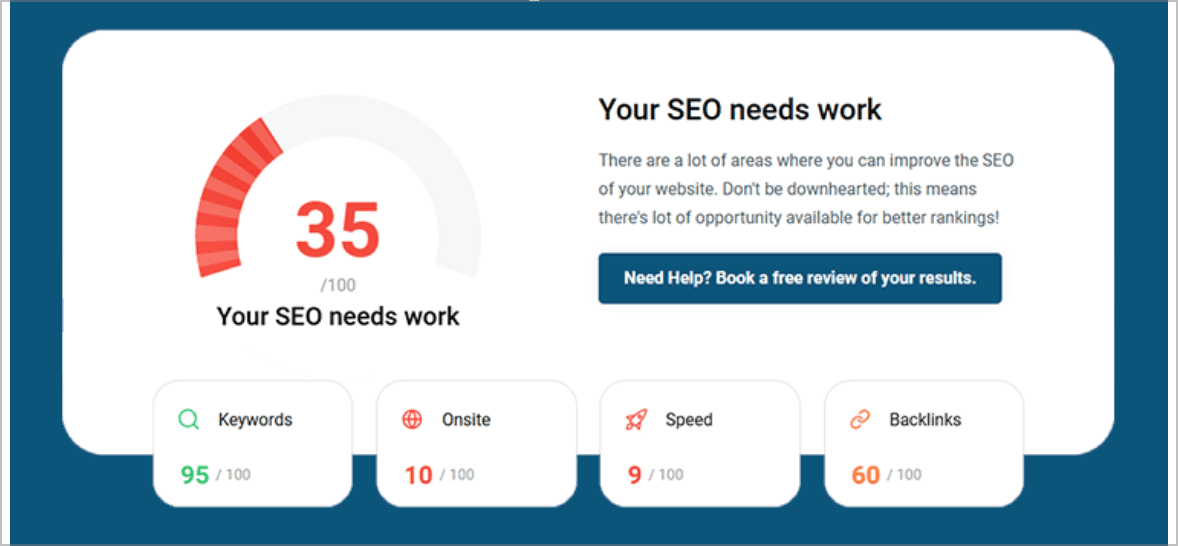
Many people end up on our blog because their SEO is not working the way they hoped, and they are trying to work out what to do next.
Sound familiar?
If this article has left you wondering whether Google’s latest changes are helping or hurting your website, that is exactly the sort of thing worth checking properly. Guesswork is where SEO budgets go to quietly expire.